Dry eye can come on fast. Plenty of people notice stinging or a gritty feeling that seems to appear overnight, even though their eyes felt comfortable a week earlier.
Sudden symptoms usually trace back to a recent change, even a small one you didn’t think twice about. Dry eye often starts suddenly because of more screen time, dry or windy air, contact lens habits, hormone changes, or a new medication. An eye exam can help pinpoint the trigger so you can start the right dry eye treatment for your eyes.
Signs of Dry Eye to Watch For
Your tears coat the front of your eye every time you blink. Dry eye happens when your eyes don’t make enough tears or when those tears don’t have the right makeup to keep your eyes comfortable. Watch for a few of these:
Watery eyes can also be part of dry eye. When the surface of your eye gets too dry, it can respond by making extra reflex tears.
Common Causes of Sudden Dry Eye
Most sudden flare-ups come down to habits and surroundings that dry out your tears faster than your eyes can replace them.
Screen Time
Long hours on a computer or phone can leave your eyes feeling tired and gritty. You blink less when you stare at a screen, and that lets your eyes dry out faster.
Build breaks into your workday with the 20-20-20 rule. Every 20 minutes, look at something 20 feet away for 20 seconds, and blink fully a few times while you’re at it.
Dry Air, Wind and Smoke
Wind pulls moisture off the surface of your eye and makes your tears evaporate faster. Heated indoor air in the winter and air conditioning in the summer can have the same effect.
Point the vents in your car and office away from your face, and consider a humidifier at home or beside your desk. Smoke from wildfires or cigarettes can irritate dry eye, so keep your windows closed on smoky days. On windy days, wraparound sunglasses can block some of the breeze. Our opticians can help you find a pair that with better and still suits your style.
Contact Lenses Habits
Soft contact lenses can absorb some of your tears, which leaves less moisture on the surface of your eye. Wearing them longer than recommended or sleeping in them can leave your eyes feeling parched by the end of the day.
Stick to the wearing schedule your optometrist recommends, even when your lenses feel fine. On days your eyes feel irritated, switch to your glasses for a while.
Health Changes That Can Trigger Dry Eye
Sometimes the trigger comes from inside your body.
Hormones and Age
Hormones help regulate the oil glands in your eyelids, which keep your tears from evaporating too quickly. Hormone changes during perimenopause and menopause can change how your eyes feel. Many people notice more dryness during these years.
Tear production can also drop as you get older. That is a common reason dry eye seems to appear out of nowhere.
Medical Conditions and Medicines
Some everyday medications can reduce tear production, including:
- Antihistamines
- Antidepressants
- Birth control pills
If your eyes became dry around the time you started a new prescription, mention it at your next appointment. Some everyday medicines can dry your eyes too, including antihistamines, antidepressants, and blood pressure medicines.
Rheumatoid arthritis, lupus, Sjögren’s syndrome, and thyroid disease can all affect tear production. If you live with diabetes, your optometrist can check for dry eye during your regular diabetic eye exam.

Is It Dry Eye or Eye Allergies?
Dry eye and eye allergies share several symptoms, including redness and burning. Itching tends to point toward allergies, especially when it comes with sneezing or a stuffy nose.
The 2 conditions can also overlap. Oral allergy pills can dry out your eyes, so treating your allergies could make dry eye symptoms worse.
When Sudden Dry Eye Needs Urgent Care
Most dry eye can wait for a regular appointment. Some symptoms need attention sooner:
- Eye pain that doesn’t ease up
- Redness that lasts more than a few days
- Blurriness that doesn’t clear when you blink
- Light sensitivity that keeps getting worse
If you notice any of these, contact us for emergency eye care so your optometrist can rule out an infection or injury.
Ways to Find Relief and Comfort
A few habits at home can ease dryness while you work out the cause. Preservative-free artificial tears can soothe your eyes through a long day. Keep a bottle at your desk and one in your bag.
A warm compress over closed eyes for a few minutes before bed can help loosen the oils in your eyelid glands. Drink plenty of water through the day, too. Your optometrist may also suggest an omega-3 supplement to support the oily layer of your tears.
Find Out What’s Causing Your Dry Eye
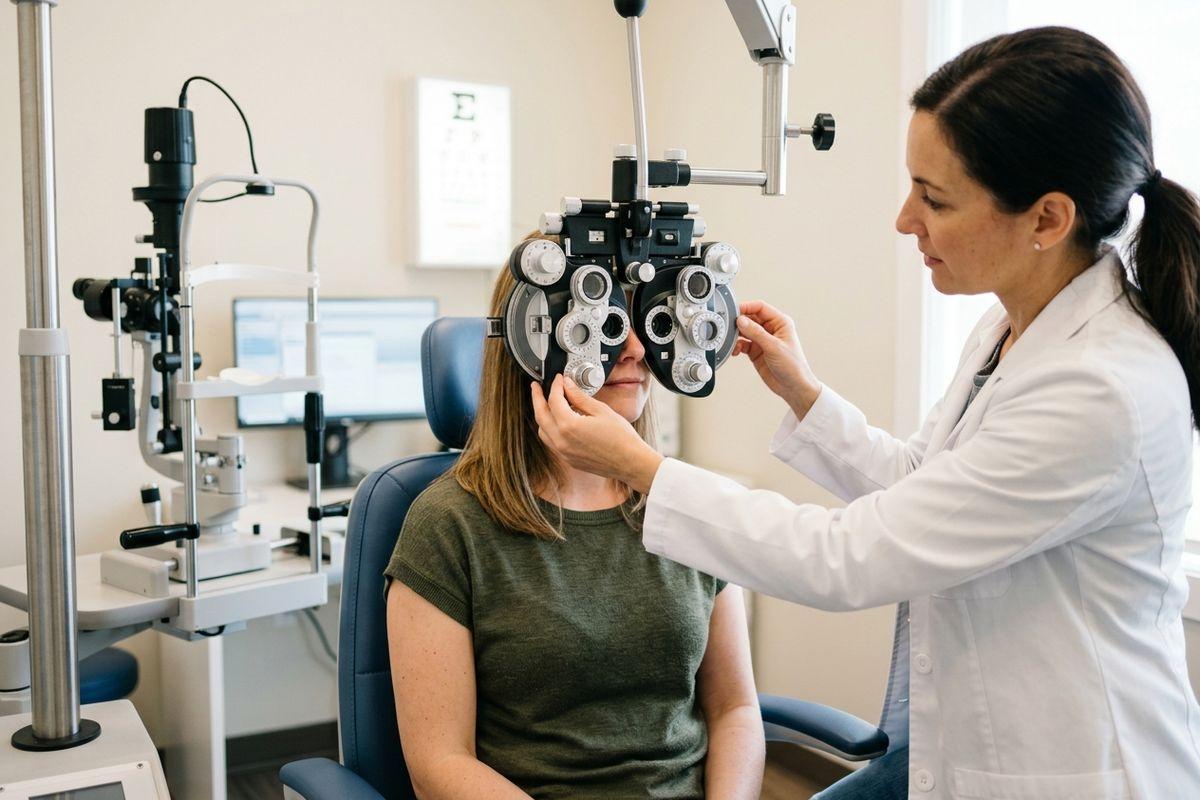
If your eyes still feel dry after a week or two of home care, an eye exam can help identify the cause. The results can help your optometrist determine whether your eyes aren’t producing enough tears or are losing them too quickly. From there, we can recommend at-home care or in-office treatments based on your needs.
Book an appointment with Ham’s Superior Vision Centre at our Oliver Road or Centennial Square Plaza location. We’ll help you find out what’s causing your dry eye symptoms and explore the right treatment options for you.