Myopia, which most people call nearsightedness, affects many Canadians. If you’ve needed glasses to read road signs or your child squints at the board in class, you’ve probably wondered whether it could ever go away.
Myopia can’t be cured or reversed, but you can correct your vision and may slow how quickly it progresses with the right care. A comprehensive eye exam can show you where your vision stands today.
What Myopia Means for Your Vision
With myopia, close objects look clear while distant ones look out of focus. It happens when the eye grows too long from front to back or the cornea curves too steeply. Light then focuses in front of the retina, so faraway details look blurry.
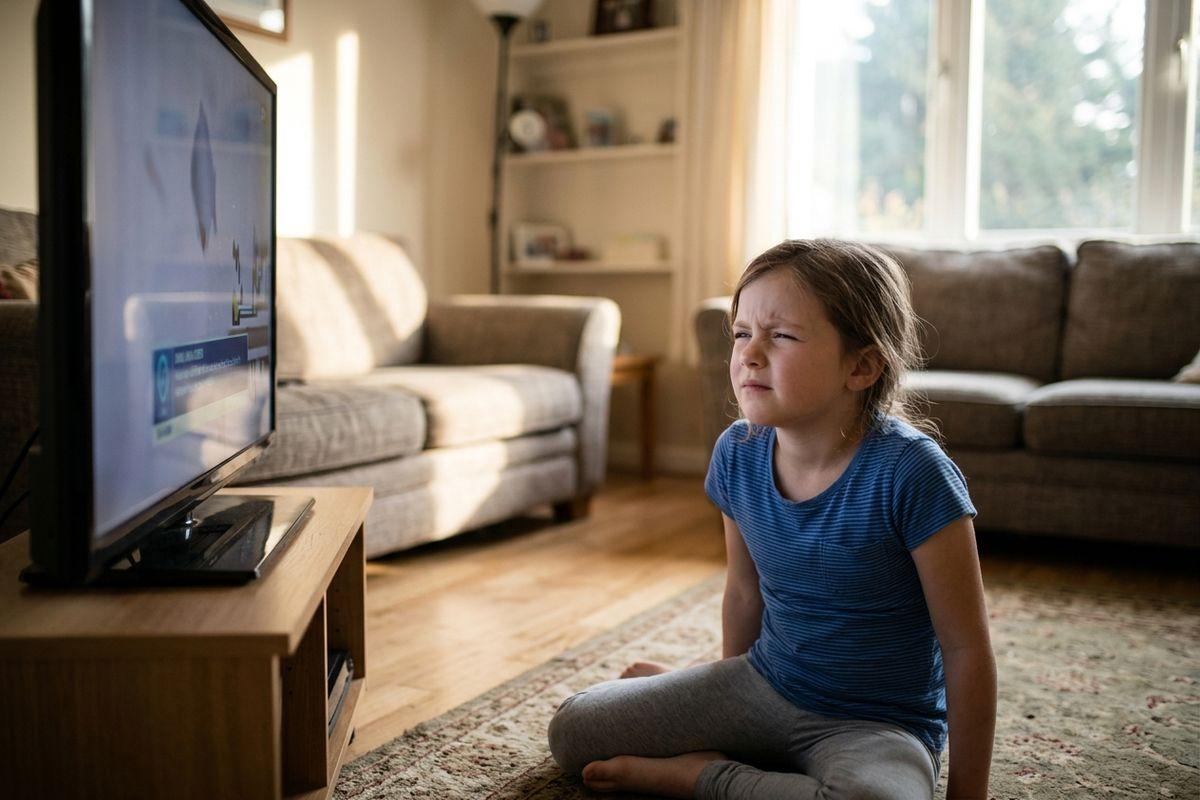
Watch for signs like these:
- Squinting to see things across a room
- Headaches after driving or watching a movie
- Sitting close to the TV
- Holding a book or tablet very close
- Trouble reading the board at school
Kids often don’t mention blurriness because they assume everyone sees the same way. That’s a big part of why we put so much weight on preventive exams.
Can Myopia Be Reversed or Go Away?
In most cases, myopia comes from the eyeball growing longer than it should. That extra length is permanent, and no current treatment can shorten the eye again. Myopia won’t fade on its own, either.
Glasses, contacts, and laser surgery correct how light focuses on the retina without changing the eye’s length. That length matters for your long-term eye health. Myopia above -7 dioptres raises the risk of retinal detachment, myopic macular degeneration, and glaucoma.
That’s why we focus on slowing myopia during childhood, while the eye is still growing.
Why Myopia Progresses Quickly in Children
Myopia usually starts during the school years, and it’s now showing up at younger ages than it did in past generations. A few things can raise a child’s risk:
- A parent with myopia
- Less time spent outdoors
- Long stretches of reading or other close-up work
- Lots of screen time
Myopia often settles in the late teens or early 20s. Until then, we use diagnostic technology to track how your child’s eyes change from year to year. Those measurements help us decide when a myopia control option makes sense.

Ways to Correct Myopia
You’ve got a few ways to bring distant objects back into focus. Your age, prescription, and daily routine all affect which option suits you.
Glasses for Myopia
Glasses correct myopia at any age, and they’re where you get to have some fun. Our opticians hand-select independent eyewear from around the world. You’ll find hand-polished acetate, featherweight titanium, and statement shapes you won’t see on everyone else.
Have a stronger prescription? Ask about high-index lenses. They’re thinner and lighter than standard lenses, which opens up more frame styles, including slim metal and rimless designs.
Contact Lenses for Myopia
Contact lenses give you a full field of view without frames, and plenty of people like them for sports. A contact lens exam measures your eye’s curve so your lenses fit comfortably.
Surgery for Adults
Procedures like LASIK, PRK, and SMILE reshape the cornea to correct distance vision. These options suit adults with a stable prescription. Surgery doesn’t lower the eye health risks that come with a longer eye, so keep booking regular exams afterward.
Myopia Control Treatments for Children
When a child’s prescription keeps climbing, myopia control may help slow it down. Your optometrist can recommend an option based on your child’s age, eyes, and routine:
- Ortho-k lenses: Your child wears these rigid lenses overnight to gently reshape the cornea, so they can see clearly during the day without glasses.
- Myopia control soft contacts and glasses: These specially designed lenses correct vision and can help slow how fast the eye grows.
- Low-dose atropine eye drops: These drops can help manage how quickly myopia progresses, and children usually use them alongside glasses or contacts.
Daily Habits That Support Healthy Eyes
Get your kids outside. Time outdoors can delay when myopia starts, and even an extra hour a week may help. Aim for about 2 hours a day when you can.
Try the 20-20-20 rule: every 20 minutes, look at something 6 metres (20 feet) away for 20 seconds. Good lighting can help too, and so can holding phones and tablets at arm’s length instead of right under your nose.
Keep yearly exams on the calendar for your kids, and don’t skip your own.
Manage Myopia and Find Frames You Love
Myopia stays with you for life, but the care you get now can affect how far it progresses. At Ham’s Superior Vision Centre, our optometrists pair preventive exams with advanced diagnostic technology, and our opticians can help you find independent frames that feel like you.
Book an appointment for yourself or your child, and let’s talk about your vision. Drop by one of our 2 Thunder Bay locations, or stop in on a Saturday at the Centennial Square location if weekdays don’t work for you